For most older adults in Colorado Springs, driving is not just transportation — it is independence, autonomy, and identity. Which is why the conversation about stopping is one of the most emotionally charged a family can have. But driving cessation at the right time is also one of the most significant safety decisions a family makes, and waiting too long has consequences that go beyond a traffic ticket. This guide covers the signs that indicate driving is becoming unsafe, how to approach the conversation in a way that preserves dignity, and what transportation alternatives in Colorado Springs can realistically replace what a car keys took away.
Medical and cognitive signs that driving safety is declining
Certain conditions directly impair the cognitive and physical functions required for safe driving. These include moderate or advanced dementia or Alzheimer's, Parkinson's disease affecting reaction time or muscle control, vision impairment that cannot be corrected to state driving standards, seizure disorders, significant hearing loss, and medications that cause sedation, confusion, or slowed reaction time. Beyond diagnosed conditions, behavioral signs in Colorado Springs traffic that families should watch for include new dents or scrapes on the vehicle that the driver cannot explain, getting lost on familiar routes, missing stop signs or traffic signals, difficulty with lane changes and merging, and other drivers honking or reacting to unsafe decisions.
How to have the driving conversation with dignity intact
The most important thing families in Colorado Springs can do before the driving conversation is separate the car from the independence it represents. A senior who hears 'you should not drive anymore' often processes it as 'you are losing your freedom.' Reframing the conversation around what replaces driving — reliable rides to every appointment, no parking stress, no winter weather risk — shifts the discussion from loss to logistics. Involving the senior's physician is often more effective than a family-only conversation, because most older adults give more weight to a doctor's recommendation than a family member's concern. The DMV's Colorado driver safety re-evaluation process is another neutral, third-party mechanism that can make the decision feel official rather than arbitrary.
Transportation alternatives in Colorado Springs that restore independence
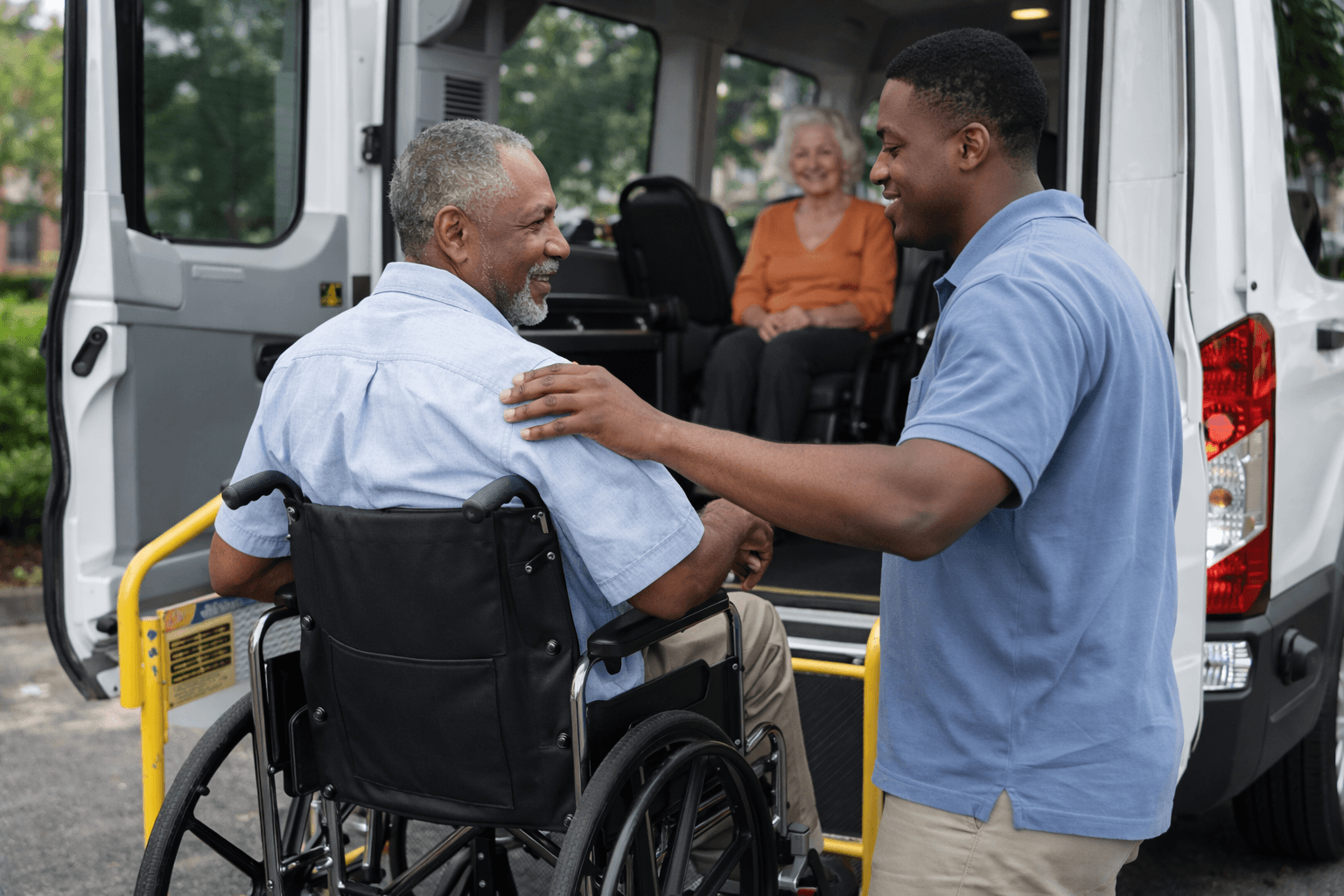
The gap driving leaves in a senior's life in Colorado Springs is real — but it is fillable. Non-medical transportation services like Hayat's provide scheduled, reliable rides for appointments, errands, and social visits with drivers trained specifically for older adult passengers. Mountain Metropolitan Transit (Mountain Metro) operates fixed routes and a paratransit service (Pikes Peak Area Council of Governments coordinates ACCESS) for eligible passengers who cannot use fixed-route buses. Volunteer driver programs through local nonprofits provide rides for medical appointments at low or no cost. Ride arrangement through home care — having a home care aide accompany a senior to appointments — is another option that adds safety monitoring to the trip itself.
Planning the transition before it becomes urgent
The smoothest driving transitions in Colorado Springs are the ones families planned months before they were necessary. Identifying transportation providers, testing a non-medical transportation service for a few routine trips, and gradually normalizing the idea of rides before driving stops makes the eventual full transition far less disruptive for the senior. Waiting until after an accident, a traffic citation, or a medical event removes the planning period entirely and forces a reactive solution. The time to evaluate transportation options is while the senior is still driving — not the week after the keys come away.
Need Personalized Guidance For Your Family
Our team can help you evaluate care options and build a practical plan that fits your loved one and your schedule.