Leaving the hospital does not mean recovery is complete. In fact, the first few weeks after discharge are often the most physically and emotionally challenging part of the recovery process. Seniors recovering from surgery, illness, strokes, falls, pneumonia, or cardiac events may be medically stable enough to leave the hospital while still lacking the strength, mobility, or energy to safely manage daily life alone. Families in Colorado Springs are often unprepared for how much support is needed once a loved one returns home. Medication schedules change, mobility becomes difficult, follow-up appointments must be coordinated, and simple daily routines suddenly feel overwhelming. Post-hospital home care helps families bridge the gap between hospital treatment and full recovery by providing structured support that improves safety, reduces stress, and lowers the risk of hospital readmission.
Why the first 30 days after discharge are so critical
The first month after hospitalization is considered one of the highest-risk recovery periods for seniors. During this time, patients often experience fatigue, reduced mobility, confusion about medications, weakness, and difficulty managing everyday tasks. Even though hospitals discharge patients when they are medically stable, that does not necessarily mean they can safely function independently at home. Recovery still requires supervision, support, and careful monitoring. Without help, small problems such as dehydration, missed medications, or a fall can quickly escalate into another hospital visit.
Why families feel overwhelmed after discharge
Many family caregivers expect life to become easier once their loved one returns home from the hospital. Instead, they often discover new responsibilities they were not prepared for. Caregivers suddenly become responsible for medication management, meals, bathing support, transportation, mobility assistance, appointment scheduling, and emotional support — all while balancing work and personal responsibilities. This transition can become physically and emotionally exhausting without additional support systems in place.
The most common post-discharge risks seniors face
Falls are one of the leading causes of complications after hospital discharge because many seniors return home physically weaker than before hospitalization. Medication mistakes are also common, especially when prescriptions have recently changed. Seniors may accidentally skip medications, double doses, or misunderstand instructions. Poor nutrition and dehydration frequently develop when recovering adults are too tired or physically limited to prepare meals consistently. Missed follow-up appointments create additional problems because transportation challenges often appear immediately after discharge.
What post-hospital home care services include
Post-hospital home care focuses on helping seniors recover safely in familiar home environments. Services commonly include assistance with bathing, dressing, grooming, meal preparation, medication reminders, mobility support, companionship, light housekeeping, and transportation to medical appointments. Caregivers can also monitor for warning signs such as worsening confusion, increased weakness, poor appetite, mobility decline, or signs of complications that families may not immediately recognize.
How home care reduces hospital readmission risks
Hospital readmissions often happen because recovery routines are difficult to manage consistently without support. Home care reduces risk by helping seniors follow medication schedules correctly, attend follow-up appointments, maintain safer mobility, and avoid preventable accidents. Having another person regularly observing the recovery process also increases the chances of identifying medical concerns early before they become emergencies.
The importance of transportation during recovery
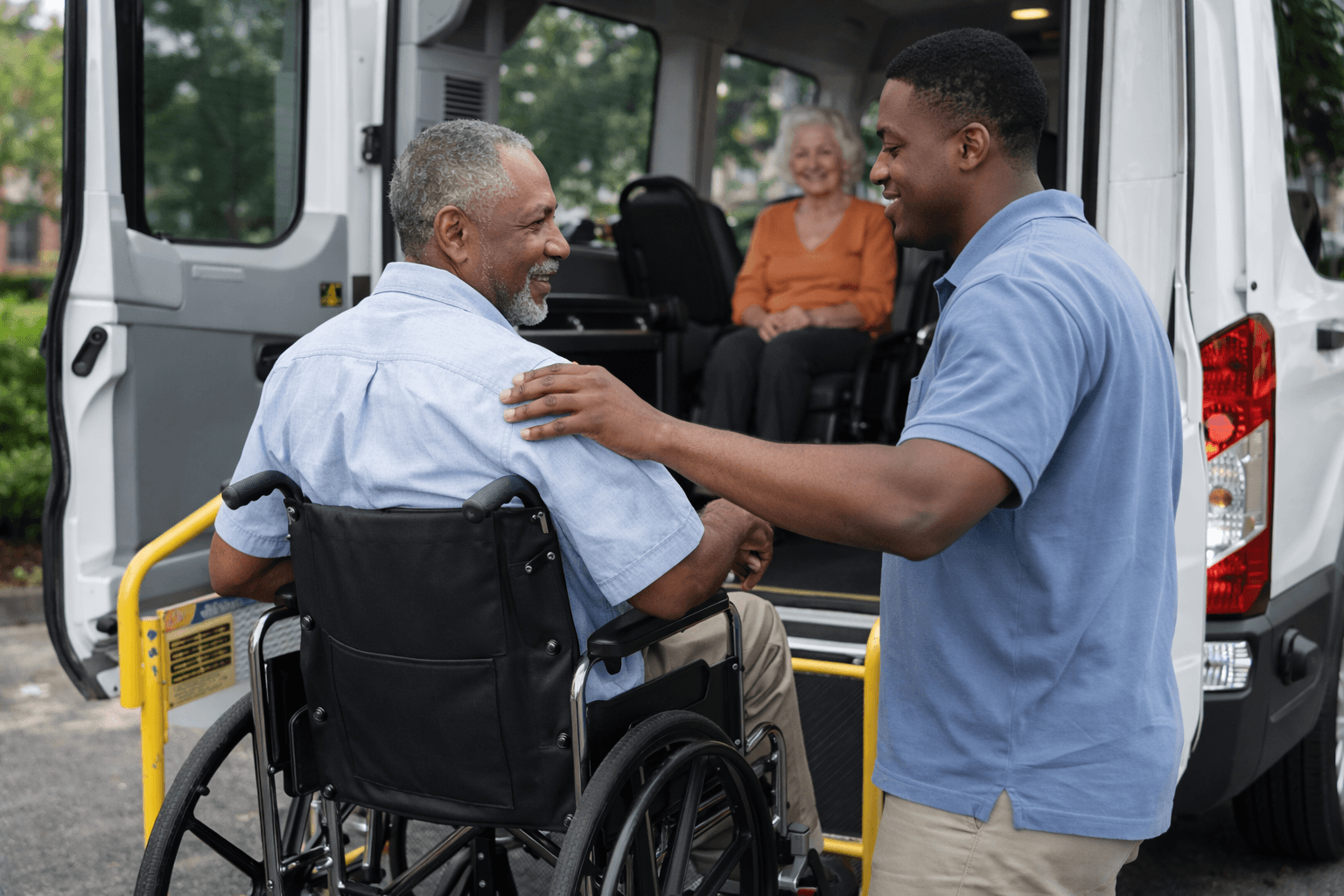
Transportation becomes a major challenge after surgery, illness, or hospitalization because many seniors temporarily cannot drive safely. Reliable transportation support ensures follow-up appointments are not missed and reduces stress for family caregivers already balancing multiple responsibilities. Non-medical transportation services can also help recovering seniors maintain independence while remaining safe during the healing process.
Preparing the home before discharge day
Families should prepare the home environment before the patient returns whenever possible. Walkways should be cleared of tripping hazards, lighting should be improved, medications should be organized carefully, and mobility devices should be easily accessible. Bathrooms and sleeping areas should also be arranged to minimize unnecessary movement or fall risks during recovery.
When adult day care supports recovery
As recovery progresses, some seniors benefit from transitioning into adult day care programs that provide daytime supervision, activities, meals, and social interaction. Adult day care helps recovering adults rebuild routine, confidence, and engagement while continuing to live safely at home with family support.
How Hayat Care Center supports families after hospitalization
Hayat Care Center provides coordinated support services for seniors recovering after hospitalization in Colorado Springs. Our home care, adult day care, and non-medical transportation services help families manage recovery more safely while reducing caregiver stress. By combining practical daily support with compassionate care, Hayat helps seniors recover with dignity while giving families confidence and peace of mind throughout the healing process.
Final thoughts
The transition from hospital to home is one of the most important stages of recovery for seniors. Families who prepare support systems early often experience safer recoveries, lower stress levels, and fewer emergency complications. Post-hospital home care does more than assist with daily routines — it creates stability during a vulnerable period when seniors and families need support the most.
Need Personalized Guidance For Your Family
Our team can help you evaluate care options and build a practical plan that fits your loved one and your schedule.