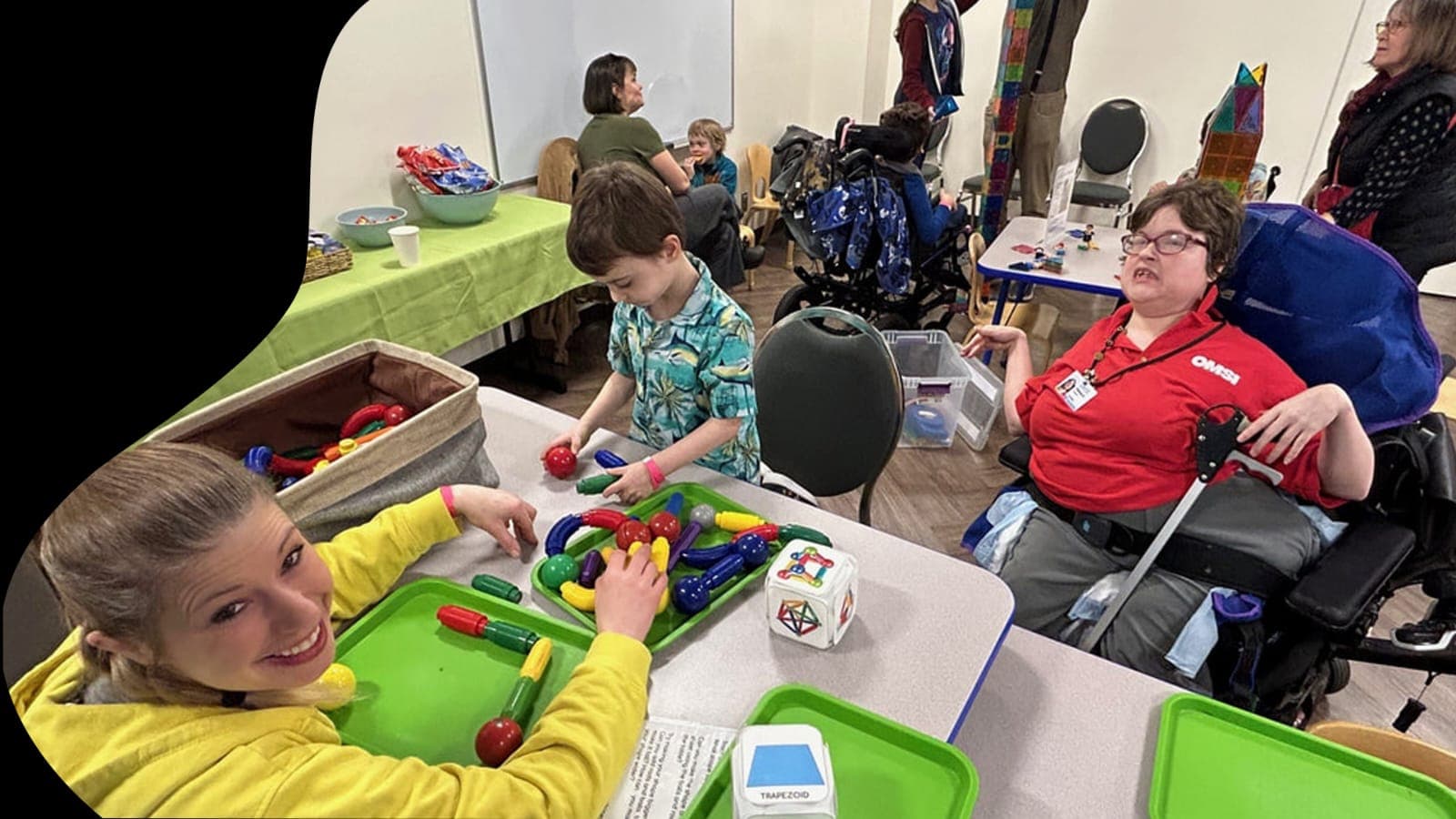
Dementia changes not only memory, but also routines, behavior, communication, safety, and daily independence. For many families in Colorado Springs, one of the biggest decisions is whether a loved one would benefit more from an adult day program or dementia home care support. Both care options offer meaningful benefits, but they solve different problems depending on the stage of dementia, personality, behavioral patterns, and the caregiver’s schedule. Some individuals thrive in structured social environments during the day, while others feel calmer and safer remaining at home with personalized support. Understanding the strengths of each option helps families create care plans that improve safety, reduce stress, and preserve quality of life for both seniors and caregivers.
Understanding the challenges dementia creates for families
Dementia affects much more than memory loss. It can impact judgment, communication, mood, sleep patterns, eating habits, physical safety, and emotional stability. Families often begin noticing increased confusion during unstructured time at home, repeated questions, wandering risks, medication mistakes, or resistance to personal care routines. As caregiving responsibilities grow, many families in Colorado Springs begin searching for support services that help maintain both safety and routine.
Why structured adult day programs help many dementia patients
Adult day programs provide structure, supervision, social interaction, meals, and organized activities throughout the day. For people living with early-to-mid-stage dementia, consistent daily routines often reduce confusion, anxiety, isolation, and agitation. Familiar schedules create emotional predictability, which can improve behavior and sleep patterns. Social interaction is also important because isolation frequently accelerates emotional decline and withdrawal in dementia patients.
How adult day programs improve caregiver wellbeing
Dementia caregiving can become physically and emotionally exhausting for family members. Adult day care gives caregivers reliable daytime support while allowing them to continue working, rest, manage household responsibilities, or focus on their own health. Having structured care during the day often prevents caregiver burnout and helps families maintain home-based care longer before residential placement becomes necessary.
What dementia home care support includes
Dementia home care focuses on supporting the individual inside familiar home surroundings. Caregivers assist with bathing, dressing, grooming, meal preparation, medication reminders, companionship, mobility support, and behavioral supervision. For individuals who become distressed in unfamiliar environments, home care often creates a calmer and more emotionally stable experience than transitioning into outside programs.
When home care may be the better option for dementia
Some individuals with dementia experience severe anxiety, agitation, wandering, or resistance when introduced to unfamiliar settings or groups. In these situations, home care may be more appropriate because it allows routines to remain consistent in familiar surroundings. Home care is also especially useful during later dementia stages when leaving home becomes physically or emotionally difficult.
How to decide between adult day care and home care
The right decision depends on several important factors. Families should consider how their loved one responds to social interaction, whether they benefit from routine outside the home, how severe safety concerns have become, and whether the caregiver needs daytime coverage for work or recovery. Behavior patterns matter as well. Individuals experiencing loneliness, inactivity, or daytime wandering may benefit strongly from adult day programs, while those with high anxiety in new settings may do better with home-based support.
Why many families combine both dementia care services
Many Colorado Springs families eventually use both adult day care and home care together. A senior may attend a structured day program several days per week while also receiving home care support in the mornings, evenings, or weekends. Combining both services often creates better overall coverage while reducing stress for caregivers and improving consistency for the person living with dementia.
Planning ahead as dementia progresses
Dementia is progressive, which means care needs almost always increase over time. Families who plan ahead early usually experience smoother transitions because they already understand available support options before emergencies happen. A person currently benefiting from limited home care may eventually require full-day supervision, while someone attending an adult day program may later need additional in-home support or memory care services.
How Hayat Care Center supports dementia care in Colorado Springs
Hayat Care Center provides both adult day care and home care services designed to support individuals living with dementia. Our structured daytime programs help seniors remain socially engaged in safe environments, while our home care services provide personalized support inside familiar surroundings. By offering coordinated care options under one team, Hayat helps families adjust care plans more smoothly as dementia needs evolve over time.
Final thoughts
There is no single perfect dementia care solution for every family. The best choice depends on the individual’s dementia stage, personality, safety concerns, daily routine, and caregiver needs. Whether through adult day programs, home care support, or a combination of both, the goal is the same: creating a safer, calmer, and more supportive environment that protects both the senior and the family caring for them.
Need Personalized Guidance For Your Family
Our team can help you evaluate care options and build a practical plan that fits your loved one and your schedule.